
Mushroom Foraging
Into the hills.
Back to the table.
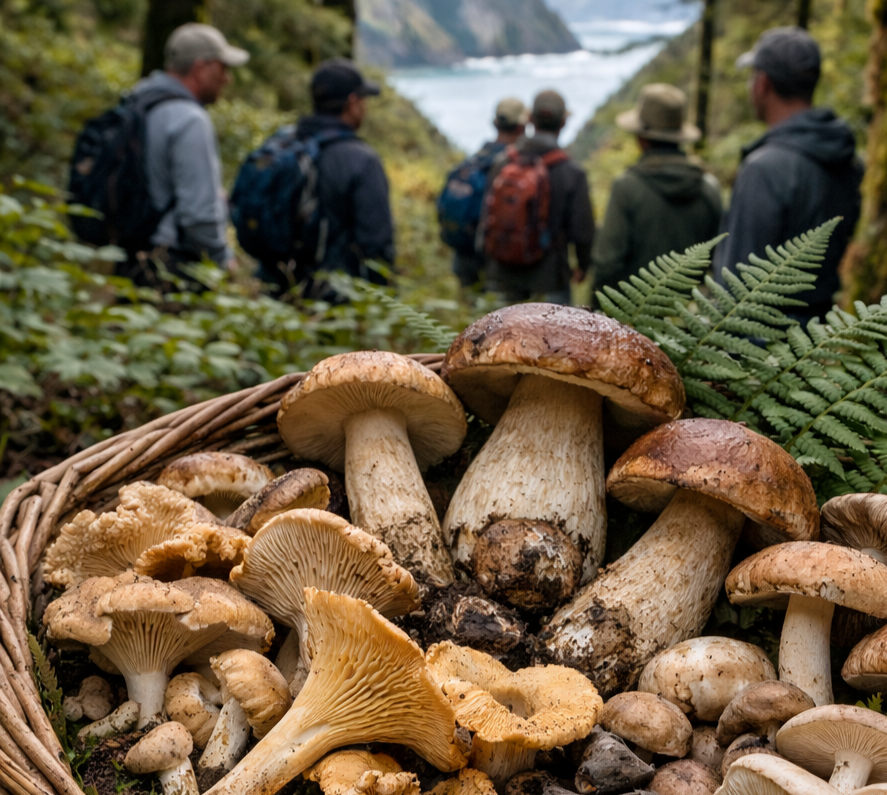
A half-day adventure into the Sonoma hills to find, identify, and harvest wild mushrooms — led by an experienced guide with deep knowledge of the local landscape and species. The foraging is only the beginning; what you find becomes the meal.
Groups return from the hills and cook together with the day's harvest — a genuinely memorable experience connecting people to the land and the ingredients that define Northern California cooking. Available seasonally (fall through early winter) for private groups.
Seasonal: Fall / Winter
Private Groups Only
Field to Table
What to Expect
The Details
Guided foraging walk (approximately 2–3 hours)
Identification education: edible vs. inedible species, local ecosystem
Safe harvesting technique and responsible foraging practices
Return kitchen session: cooking the harvest together
Shared meal featuring wild fungi alongside seasonal accompaniments
Recipe and identification reference card to take home
Season
Oct – FebSourcing
Half Day (~5 hrs)Group Size
6 – 12 GuestsFormat
Private OnlyFrequently Asked Questions
-
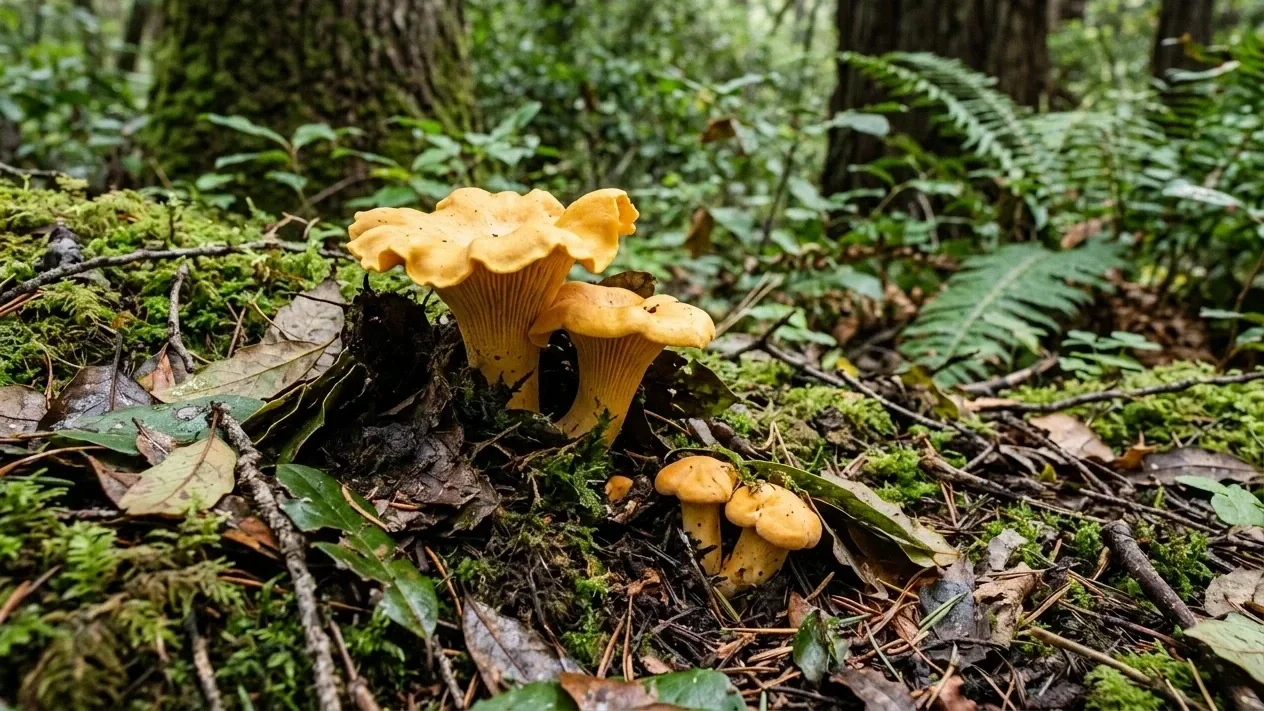
Sonoma County is one of the best regions in Northern California for wild mushroom foraging. The coastal forests along the Sonoma Coast create ideal conditions for mushrooms such as chanterelles, porcini, and hedgehog mushrooms. Guided foraging walks explore these forest habitats while teaching participants how to identify edible mushrooms and understand the ecosystem they grow in.
-
Not at all. This experience is designed for beginners and curious nature lovers alike. Your guide will walk you through the basics of mushroom identification, safe harvesting practices, and how to observe the forest ecosystem along the way.
-
We recommend wearing comfortable hiking shoes, dressing in layers, and bringing water. A small basket or breathable bag and a knife for harvesting are helpful, but we can provide guidance if you’re new to foraging.
-
Every foraging outing is different and depends on seasonal conditions, but we often encounter a variety of edible and non-edible mushrooms. The focus is on learning identification, understanding habitats, and developing safe foraging practices.
-
The Sonoma Coast is known for producing several prized edible mushrooms, especially during the rainy season. Common species include:
Golden chanterelles
Porcini (king bolete)
Hedgehog mushrooms
Oyster mushrooms
Black trumpet mushrooms
Each species appears at different times depending on rainfall, temperature, and forest conditions.
-
Yes. Mushroom foraging can be a wonderful way for families to explore the forest together. Children are welcome when accompanied by an adult and often love the treasure-hunt aspect of spotting mushrooms along the trail.
-
Mushroom season typically runs from late fall through early spring, depending on rainfall and temperature. The best conditions usually occur after steady rains followed by mild weather, which creates the damp forest environment mushrooms need to grow.